


Are you looking for a natural way to fertilize your plants? Look no further than compost manure! This eco-friendly option is perfect for those looking for a sustainable way to garden. Read on to learn everything there is to learn about compost manure.
Overview of compost manure
Many people complain about how they would like their food products natural, meaning grown without synthetic fertilizers and chemicals. Although it is a common wish, very few think of how they can make it happen. It is one thing to wish for natural food, while it is another to grow your food naturally.
To grow food naturally, the first step will be acquiring organic manure. This post discusses compost manure, from preparation to the benefits you should expect from this kind of manure. Keep reading the article for the best information about naturally fertilizing your land.
Compost manure is a type of fertilizer that is made from organic materials that have been decomposed. Composting is a process that speeds up the natural decomposition of organic matter by providing the right conditions for microorganisms to break down the material. Compost manure is a great way to add nutrients and improve soil quality, and you can use it in small gardens as well as big farms.
Composting is an easy process, provided you have suitable materials. As we shall see later in the post, certain materials should not go into your compost. Knowing what to include and what not to put in your compost is the key to maximizing the benefits of using natural manure.
Ways of Composting


Composting is the act of breaking down any biodegradable material. Biodegradable means that which can decompose. In composting for manure, you will use organic matter. Generally speaking, any place with people produces organic matter. Places like homesteads, schools, business premises, hospitals, etc., all produce compostable materials.
The following are the ways through which you can compost manure for your gardens, flower lawns, or farms:
1. Aerobic manure composting
Aerobic composting means using oxygen to aid in the decomposition process. After placing the organic material in a compost pit, you will need to keep turning it after a few days. Turning the organic matter introduces fresh oxygen into the process. In aerobic composting, you will need to add materials with high nitrogen levels, like grass clippings, if you want the process to be faster.
When the decomposition of the nitrogen-rich matter begins, the temperature in the pit rises, which makes the decay of the rest of the materials quicker. To avoid foul odor, you should add water every time you turn the organic matter.
Aerobic composting is a faster way to generate manure than the other methods. Usually, it will take three to four months before your organic manure is ready to be utilized in the garden or farm.
2. Anaerobic manure composting
Anaerobic composting means breaking down organic matter without oxygen. It is the opposite of aerobic composting. After placing your materials into the compost pit or composter, you will leave them untouched until the manure is ready. Anaerobic composting generates biogas (methane gas) for those who want to combine making manure and producing gas for home energy needs like lighting, heating, and cooking.
Since this process has no oxygen, it takes twice or thrice as much time to prepare the manure as aerobic composting. Therefore, it is not suitable for preparing manure that is needed quickly. The process also has the highest concentration of foul odor, which makes it necessary to be carried out at a distance from your home or dwelling.
For biogas-producing composters for those in Kenya, contact Biozone for the technical expertise and materials required.
3. Vermicomposting
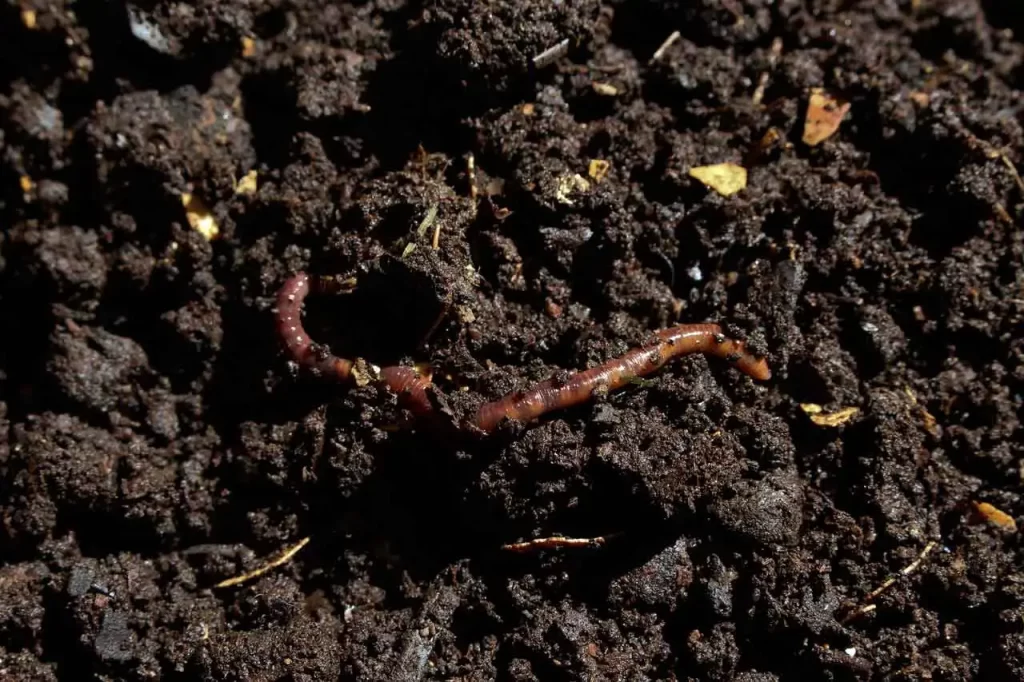
Vermicomposting is a method that uses live worms, moisture, and oxygen in the process of breaking down organic matter. It is the method that produces the least foul odor and can be carried out indoors. Although the technique is unnecessarily expensive since you will need to procure the worms, it is the most desirable and the fastest.
The following are the reasons vermicomposting is preferable:
- Produces little odor.
- Produces little methane gas.
- Frequent turning is not necessary.
- It can work indoors and outdoors, unlike the other methods, which can only be carried outdoors.
- The manure is easy to transfer.
- You can also make money selling the worms as fishing bait.
Enzymes and biocultures
Whether aerobic composting, anaerobic composting, or vermicomposting, you will need enzymes and cultures to aid in the composting process. The enzymes and cultures will make the process faster and increase the manure quality.
Biozone Bamoyeast BFB
The Bamoyeast BFB is the best compost manure enzyme in Kenya. It is easy to apply and produces good-quality manure within a short time. For the best results, you will need to spray Bamoyeast mixed with water after every two days to maintain the moisture level required for composting.


The following are the benefits of using Bamoyeast BFB in your composting activities:
- Eradicates bad odor from your manure.
- More organic matter will be decomposed hence more manure.
- More waste will be decomposed effectively in less time.
- Bacteria oxidation during composting will be more complete and faster.
- High-quality fertile manure will be produced in less time.
Types of Primary Compost
Primary compost is divided into three, compost, farmyard manure, and green manure.
- Compost. It is the simplest form of composting that is usually done at the home level. For small farms and gardens, many people, especially those who want to grow their food naturally, decide to make their manure using pet waste, plant clippings, viable food scraps, and weeds. The manure produced is pocket-friendly and eco-friendly. The only shortcoming is that it will have a foul odor around the home, which is why some people buy it from others instead of making it themselves. But with the availability of the Biozone Bamoyeast BFB, the foul odor produced in the compost g process will be no more. For fruit and vegetable manure, compost is the most recommended.
- Farmyard manure. As the name suggests, this compost manure is from farm animals. Cow, horse, or other farmyard animal feces make this manure. Animal poop should not be transferred to the farm/garden without composting. Farmyard manure is the best for all types of soils and will be enough for almost all crops and plants. However, some animal manure is stronger than others, so you must be careful not to kill your plants. Establishing what your plants need before applying farmyard manure would be best. If you have not composted it, you should enquire about which animal the feces came from.
- Green manure. It is the oldest form of compost manure. Farmers will grow green crops, mostly leguminous plants, and after harvesting, they uproot/cut the plants and leave them on the farm. When the plants decompose after some time, they will fertilize the soul. The method is the best for those who practice crop rotation, and this kind of manure is the best for cotton, maize, rice, sugarcane, and wheat.
Tips on How to Make Compost Manure in Kenya
Making your natural manure at home is not that difficult. You don’t have to buy organic manure from third parties when you can make it yourself using readily available materials.
The following are tips that will ensure you have the best natural manure for your garden or farm:
- Pick a convenient site. The site for your compost pile, bin, or heap determines how well you will attend to the compost needs. A good compost site should not be too far from your main house or building. That will make it easier to deposit collected materials. Every biodegradable waste from the house, building, or farm should be part of the compost material. If it’s an open compost pile or pit, choose a place where the odor produced will not affect people living on the homestead or farm.
- Consider a biodigester or a compost bin. It would help if you considered a compost bin or a biodigester for small farms, flower lawns, or gardens. That is because it will be more convenient and time-saving to use a compost bin than an open pit or a compost pile. A bin or a biodigester will also eliminate foul odor from your compound. The only shortcoming of a compost bin is that it will only hold limited material; hence the organic manure produced will be limited in quantity. For the best biodigesters in Kenya, contact Biozone.
- Ensure suitable materials for your compost. Composting is all about the materials used. The quality of the organic manure produced after composting will depend on the materials that go into your compost. The organic materials you have used will determine the nutrients and minerals from the compost manure. Vegetable peelings, fruit waste, teabags, plant prunings, and grass cuttings are some materials that provide nitrogen and moisture to your compost. Egg shells are known to provide necessary minerals like calcium to your manure.
- Properly sort your waste. Sorting your waste not only will it ensures that only the desired materials are composted but also eliminates the risk of composting the wrong materials. Educate yourself on what cannot be composted or what needs special composting, like biodigesters. Some materials may end up affecting the quality of your compost manure.
- Ensure your compost is always balanced. For regular composting (compost bins and pits), the key to producing good manure is ensuring the right mix always. Water, air, and materials should be balanced with the necessary corrective actions taken whenever needed. If your compost is too wet, add dry materials and vice-versa. For aeration, you can add bits of cartons or cardboard that will create airspaces within your compost. Constantly turning the compost is another way to ensure a constant oxygen supply.
- Ensure enough oxygen for your compost. Aerobic composting is the usual method practiced widely, and you should ensure that your compost has an adequate oxygen supply. That is achieved by constantly turning your compost to mix the contents of the compost properly. Remember that a well-aerated compost produces manure in a shorter time.
- Boost your Compost. Your compost may not provide the desired manure quality despite your best efforts. It may also be too long for the manure to get ready to be used for the intended purpose. That’s why sometimes you should think about boosting your compost. Enzymes and biocultures are the best when it comes to achieving that. The Biozone Bamoyeast BFB is the best in Kenya for providing your compost with the necessary enzymes and bacteria to ensure quality compost manure quickly.
- Ensure composting is complete. Compost manure will only be helpful to you if the composting process is complete. Partially composted manure will lose its quality and may not benefit the farm or garden. Mostly, fully composted manure will have a dark brown or black color. If your compost has not achieved that color, do not transfer it to the garden or farm. Allow ample time between composting and using the manure to ensure that the manure is properly composted before use.
What not to compost
As we have seen above, the materials added to compost will determine its quality. However, some things should not be put in the compost. The following are some materials that should not be put in the compost:
- Remains from meat and fish. Unless you are composting using a biodigester, you should not include meat remains in your compost. Decomposing meat will have a foul smell and attract skunks, raccoons, rats, flies, and other wild animals. Your pets or those from the neighborhood will also be attracted to your compost because of decaying meat or bones.
- Dairy products. Decaying meat, cheese, butter, milk, sour cream, and yoghurt attract unwanted wild animals that disrupt your composting process.
- Plants and wood treated with chemicals. Plants treated with chemical insecticides, fungicides, or herbicides should not be added to your compost. That is because the chemical residue may kill the bacteria and enzymes beneficial for composting. The chemical residue will also be passed to the plants once the compost manure is applied to the garden or farm. The same should also apply to wood that has been painted, stained, or varnished.
- Sick plants. Diseased or insect-infested plants should not be added to your compost. That is because if the insects or diseases survive your compost, they will b transferred to your plants in the farm or garden.
- Weeds with developed seeds. If you include weeds that have already developed seeds in your organic manure, the seeds will not compost and will, therefore, be transferred to the farm or garden.
- Charcoal ash. Ash from the fireplace can be added to the compost, but ash from charcoal should be avoided. That is because ash from charcoal contains sulfur which may make your compost too acidic for some plants or flowers.
- Cat and dog feces. Unless you use a biodigester, your compost manure should not contain cat or dog poop. That is because these pets can carry bacteria and parasites that can cause human diseases. That means you risk turning your organic manure into hazardous waste.
Tips on How to Compost Quickly in Kenya
To produce quality organic manure from composting may take a long time. It depends on the materials used, the composting method, and whether you have used boosters. The wait can be as long as a year, complicating schedules, especially planting times for farmers.
For quicker compost manure production, you should keep these tips in mind:
- Adding plant branches. Placing plant branches and twigs at the bottom of your compost pit or pile will help in trapping air. That means the aerobic digestion process of your compost materials will be much faster.
- Adding old compost manure. The composting process is done by bacteria and fungus. Adding old compost manure which already contains these helpful bacteria and fungi means kickstarting the process.
- Including a hot water bottle/container. Compost piles and bins are supposed to be hot. The higher the temperatures, the faster the decomposition takes place. Therefore, including a container with hot water, especially at the beginning of the composting process, will also help jumpstart the process.
- Using compost covers. Compost piles and bins perform well depending on the temperatures in the compost. Covering the compost bin or pile with old duvets or carpets will help maintain the temperature which makes the digestion of the organic matter faster.
- Frequently turning the compost. Turning the compost helps in introducing fresh air. Oxygen helps in the breakdown of organic matter. If you want your compost manure to be ready within a short period, it is advisable to turn it at least after every two days.
- Create air pockets in your compost. Maintaining air circulation within your compost is very important if you want it to be ready faster. Wood chips and small cardboard pieces do the trick when it comes to creating air spaces within your compost.
- Maintaining the carbon-nitrogen ratio. The active bacteria in your compost need both nitrogen and carbon to break down the organic matter. When the nitrogen levels are low, the composting process will be slow. To help maintain the nitrogen levels, add nitrogen-rich materials like grass clippings or leguminous plant remains.
- Maintaining the moisture content in your compost. When the level of moisture in your compost is too high or too low, it slows the composting process. When the moisture is low, add dry materials like shredded paper. When the moisture is too low, sprinkle water into your compost.
- Adding compost activators. They are materials that aid in the digestion process of organic matter. Chicken manure is a widely known compost activator. You can also add artificial boosters like the Biozone Bamoyeast BFB to speed up the composting process.
- Mind about the materials used. The rate at which your compost will decompose will depend on the materials used. Some materials decompose faster than others and you should be aware of the rate of decomposition of the materials you have used before you start planning for your compost manure.
- Check the size of the materials. The bacteria in your compost will find it hard to digest large-surface material. Before you compost, you should consider cutting the materials into smaller parts that will be easily digestible by the bacteria.
- Check the volume of your compost. If you compost rising heaps instead of bins or pits, the volume of your compost will determine how fast the composting process will proceed. Smaller compost heaps are affected by the outside environment and the necessary temperatures vary a lot, which will slow down the process.
Advantages of Compost Manure
The following are the benefits that you will get from composting:
- Compost increases the nutrient levels in your farm or garden hence increasing production.
- Compost maintains soil fertility.
- Although compost has lower levels of nitrogen compared to chemical fertilizers, the nitrogen is released to the plants gradually which is more in line with plant uptake and needs.
- Compost increases water retention of your soil and will decrease surface run-off.
- Compost increases aeration in clay soils making them more suitable for agricultural activities.
- Compost controls the temperatures in the soil helping maintain them at the optimal levels necessary for crop use.
Disadvantages of Compost Manure
The following are the drawbacks of using compost:
- Composting needs a lot of space as the compost should be a distance from your residence due to the odor produced.
- Composting is technical and not many people know how to properly compost and many end up using the wrong materials.
- Using semi-composted manure can negatively affect your plants.
FAQs About Compost Manure
Is compost manure safe?
Many people, especially those who have not used compost manure, wonder if it is safe. The answer is YES. As long as it has been done properly, there is no danger to your plants. However, semi-composted manure can harbor harmful pathogens that will negatively affect your plants. Make sure your manure has been properly composted before use.
Can compost manure be used as mulch?
Whether compost manure can be used as mulch is a common question for many people, especially farmers. The answer is YES. Compost manure will be gradually released o the plants while insulating the soil and keeping the moisture content consistent. Only composted manure can be used as mulch, fresh manure will harm your plants since it contains too much urine.
What are some of the unknown items that can be added to compost?
Every publication about composting advises adding organic matter to the compost. Most people only use organic house waste and animal waste as compost materials. Surprisingly, there are materials you can add to your compost that are little known. Some of these materials are:
– Hair and fur
– Dryer lint
– Aquarium plants
– Home brewing wastes (spent hops and malt)
– Used paper napkins and paper towels
– Old herbs and spices
– Unpopped or burned popcorn
– Cardboard and paper plates (small pieces, uncoated)
– Wooden chopsticks and toothpicks.
How long does it take for compost manure to be ready?
For planning purposes, there are those who want to know how long it takes for compost manure to be ready. You need to know that the materials used in your compost will greatly determine when the manure will be ready. Easily digestible materials like most house food waste take up to three months while leaves, plant remains, and wood materials may take up to one year to be ready.
Can compost manure be applied on top of the soil?
There are those who wonder whether to apply compost manure on top of the soil or mix them together. It will depend on when you will be planting and the type of soil. If you are in hurry to plant, it’s advisable to mix your compost with the soil for better results. If your soil is sandy or clay, you should mix your soil with compost manure.
Why is compost manure better than fertilizers?
Many also wonder why it is advisable to use compost manure than fertilizers. The major difference lies in the time it will remain useful. Fertilizers are quick-fix solutions that will remain useful for a very short time. Compost manure is a long-term solution to the fertility needs of the soul and it will remain useful to the plants for several years.
How often should compost manure be added to the farm?
There are those wondering how often compost manure should be added to the farm or garden. Depending on your crop cycle, it’s ideal to add compost manure to your farm or garden once a year. That will ensure that any exhausted nutrients are replenished before the new plants are planted.
Is bagged compost manure any good?
Some people, especially those living in urban areas, ask whether bagged compost manure is good. It is advisable to buy composted manure from trusted dealers only. That is because you should be able to ascertain the kind of materials used in the conposting process. If you can’t be sure of the materials used in the compost manure, do not buy the manure.
Final Words
Compost manure is an excellent way to improve the quality of your soil. It is rich in nutrients and helps to improve drainage and aeration. It is also a great way to reduce waste and help the environment.
However, if you are not sure about how to properly compost, you should engage the services of experts so as not to negatively affect your plants. In Kenya, Biozone is a trusted waste management partner who will guide you on how to properly make the best compost manure.